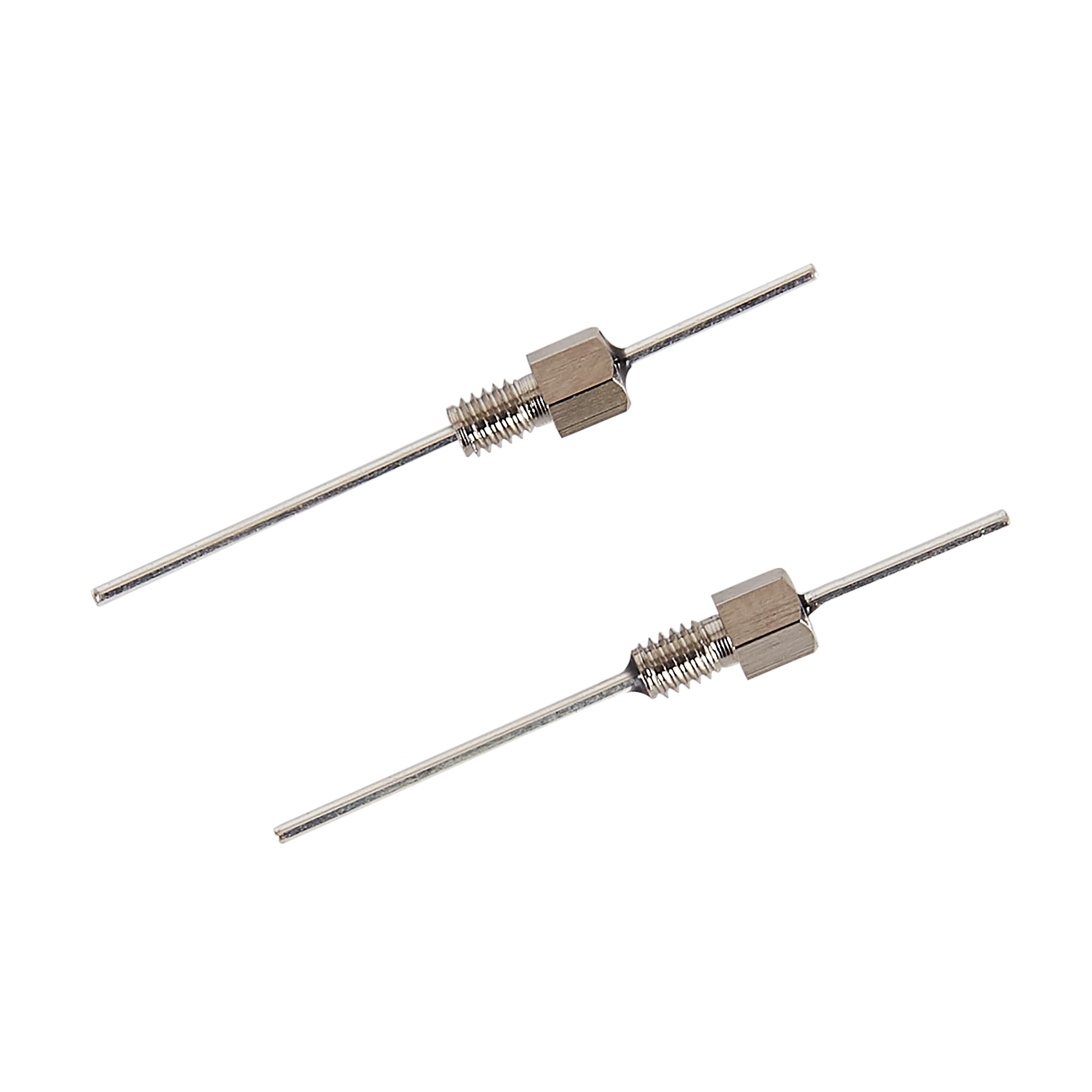
 Screw Type EMI FilterL3325 SeriesL4030 SeriesL5040 SeriesL5060 SeriesL6040 SeriesL6050 SeriesL8050 SeriesL8060 SeriesL9860 SeriesL10080 SeriesL1/4-28UNF-2A SeriesL4-40UNC-2A SeriesL5/16-24UNF-2A SeriesL5/16-32UNEF-2A SeriesL6-32UNC-2A SeriesL8-32UNC-2A SeriesL8-36UNF-2A SeriesL12-28UNF-2A SeriesL12-32UNEF-2A SeriesL140120 Series
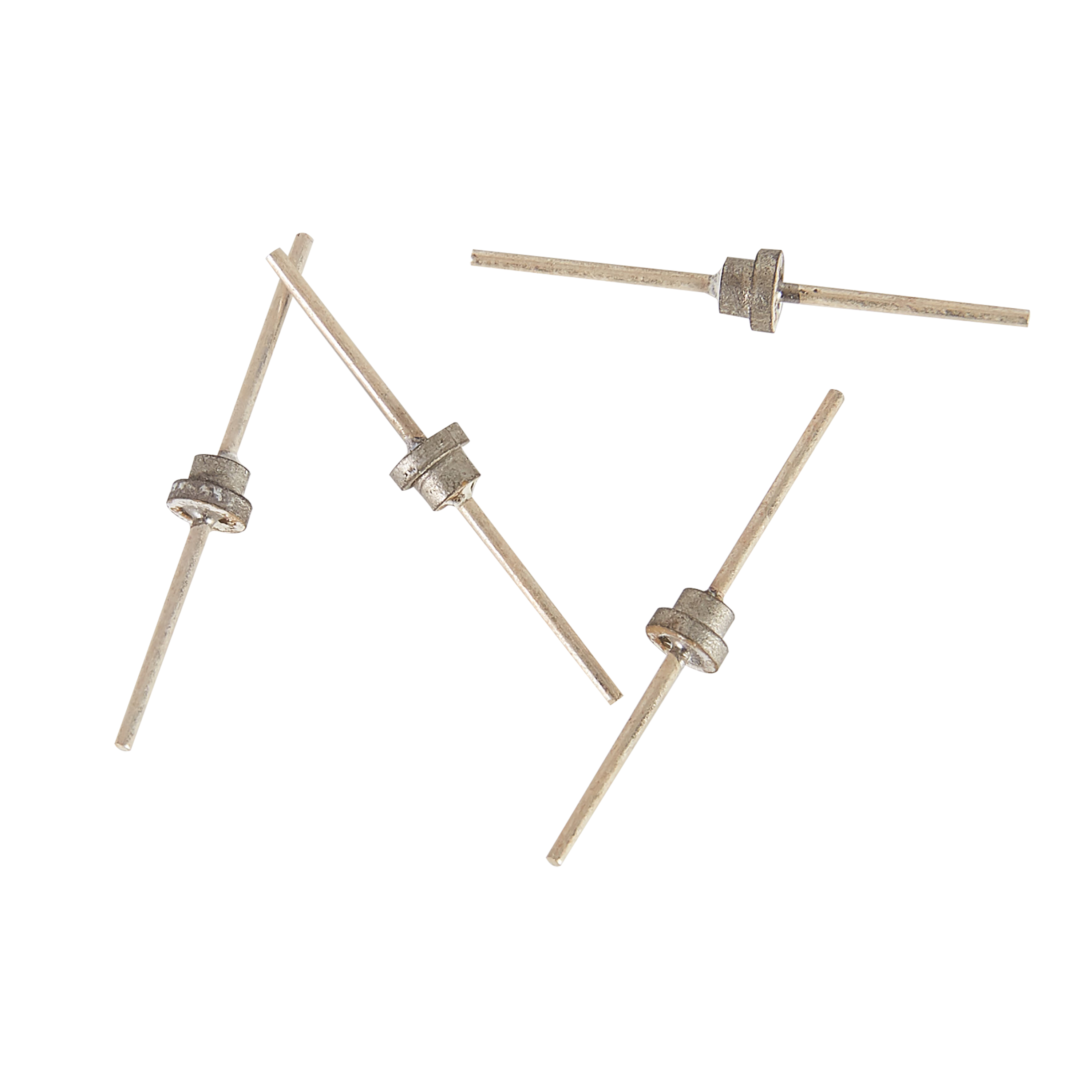 Solder Mount Feed-thru CapacitorH1915 SeriesH2222 SeriesH2416 SeriesH2519 SeriesH2520 SeriesH2618 SeriesH3630 SeriesH3822 SeriesH4033 SeriesH4224 SeriesH4330 SeriesH4532 SeriesH4722 SeriesH4737 SeriesH4743 SeriesH5038 SeriesH5122 SeriesHA4020 SeriesHB2020 SeriesT Series
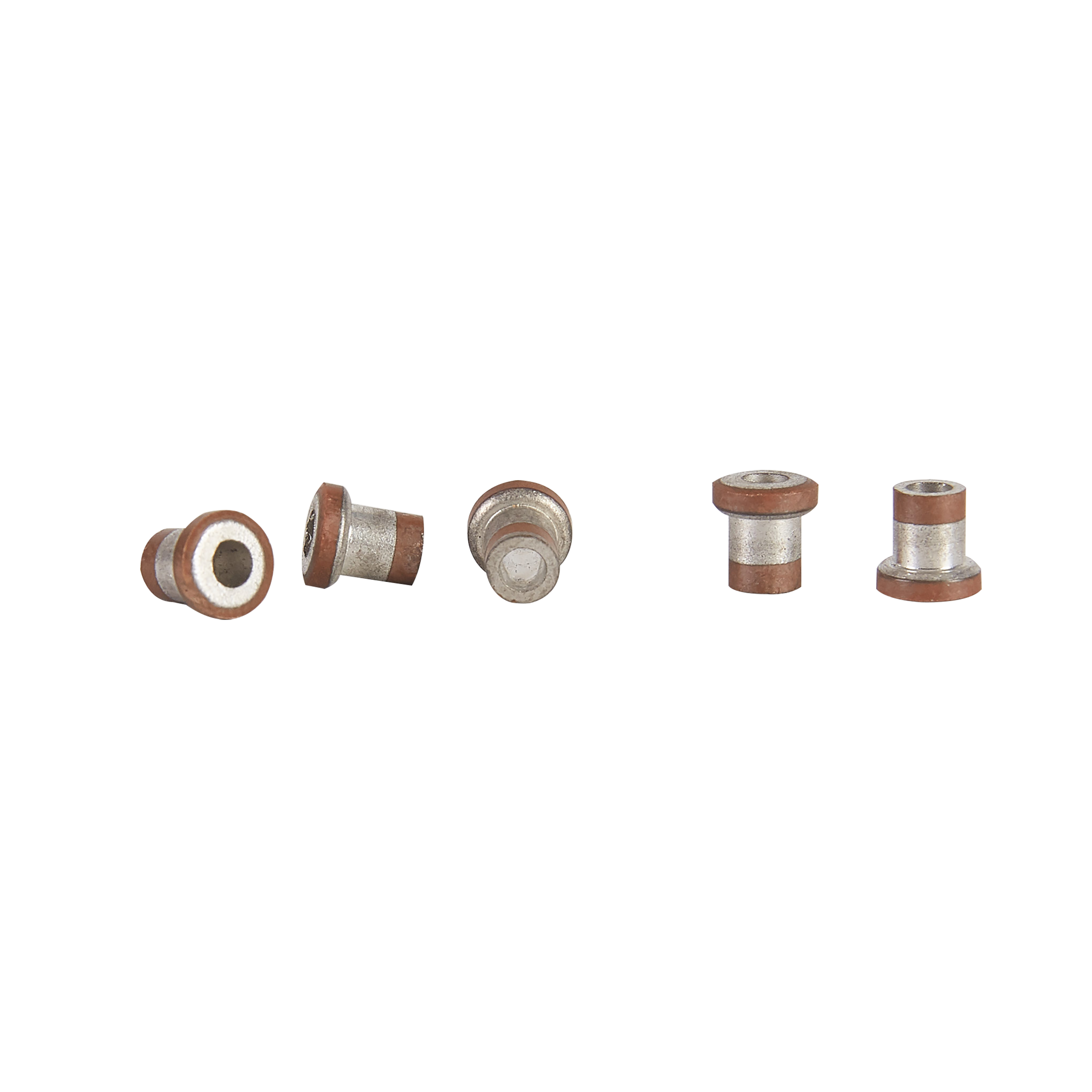 Tubular CapacitorG1915 SeriesG2020 SeriesG2222 SeriesG2416 SeriesG2520 SeriesG2618 SeriesG3822 SeriesG3838 SeriesG4224 SeriesG4330 SeriesG4532 SeriesG4722 SeriesG4737 SeriesG5038 SeriesG6045 Series
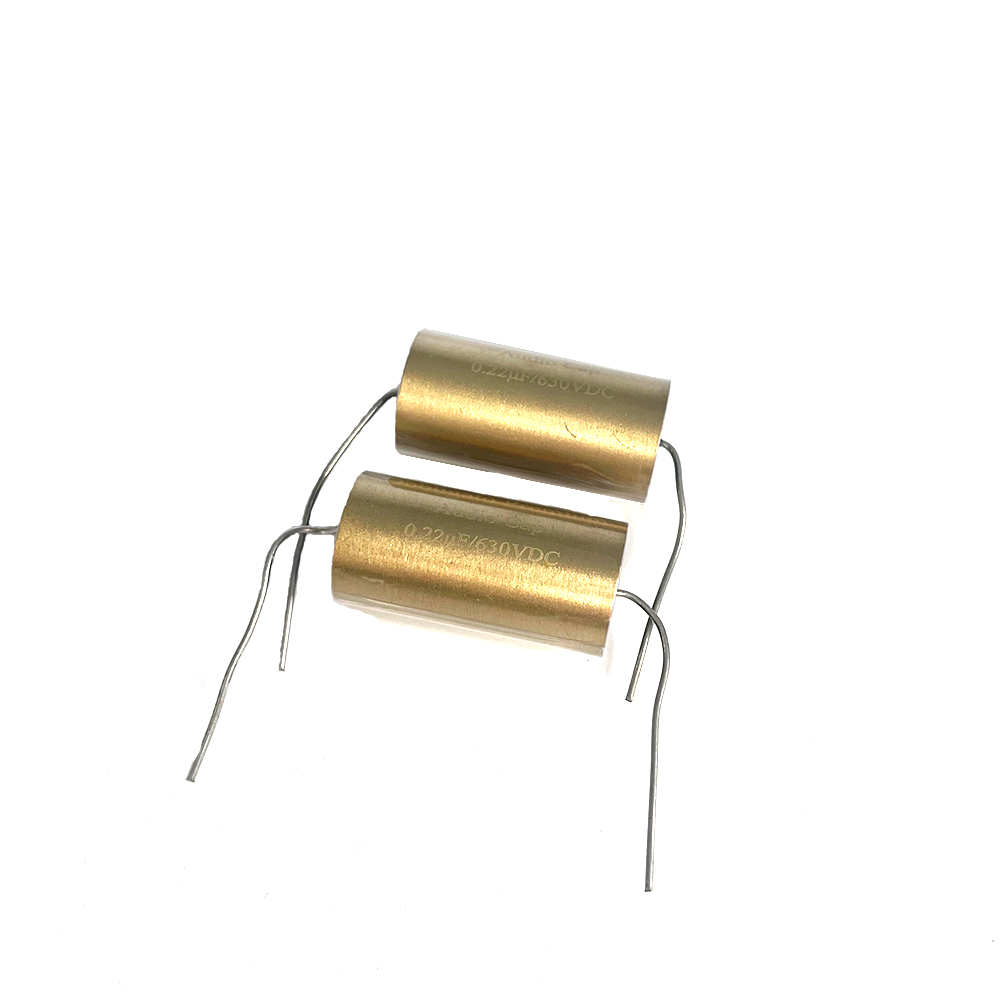 Audio Capacitor
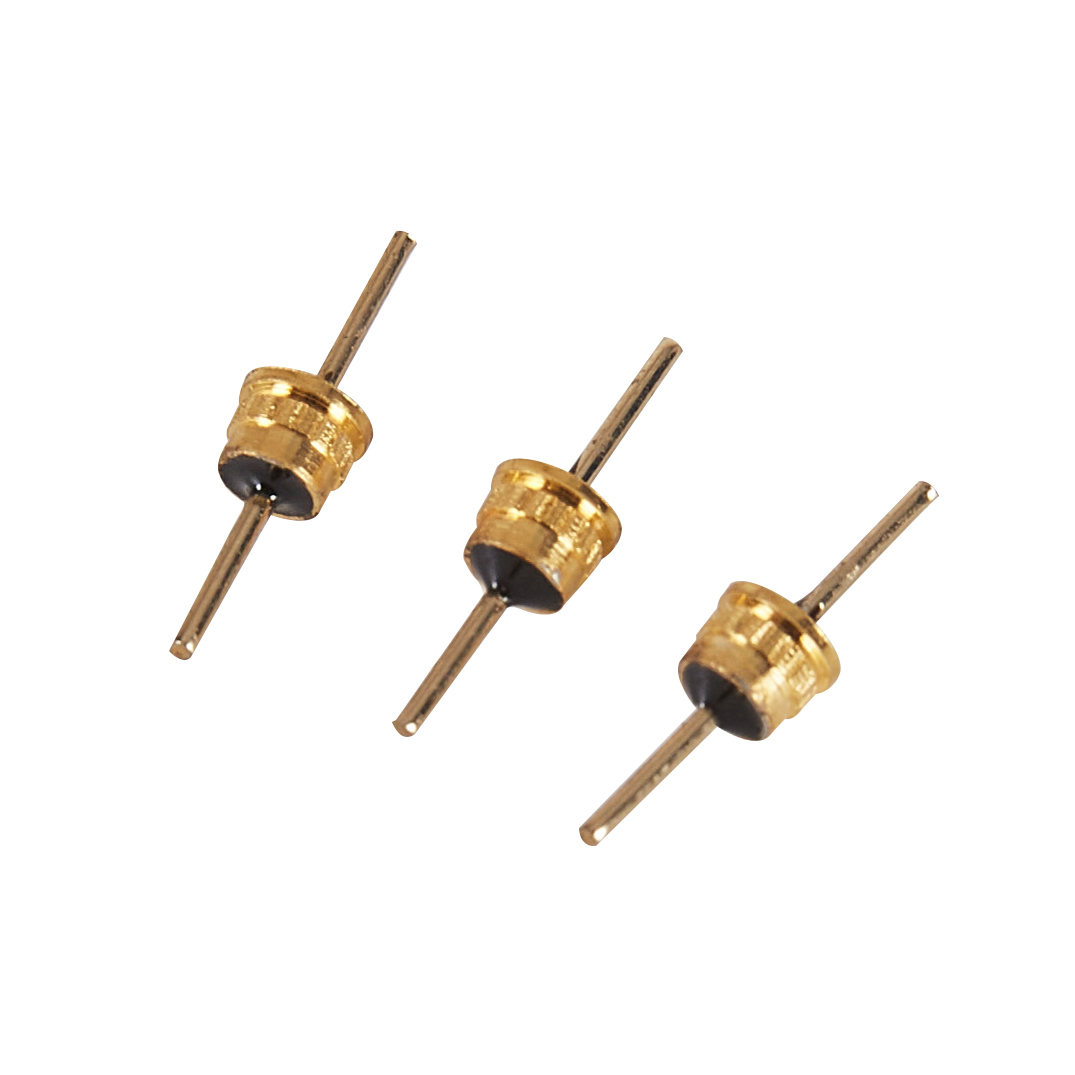 Q4033 Series
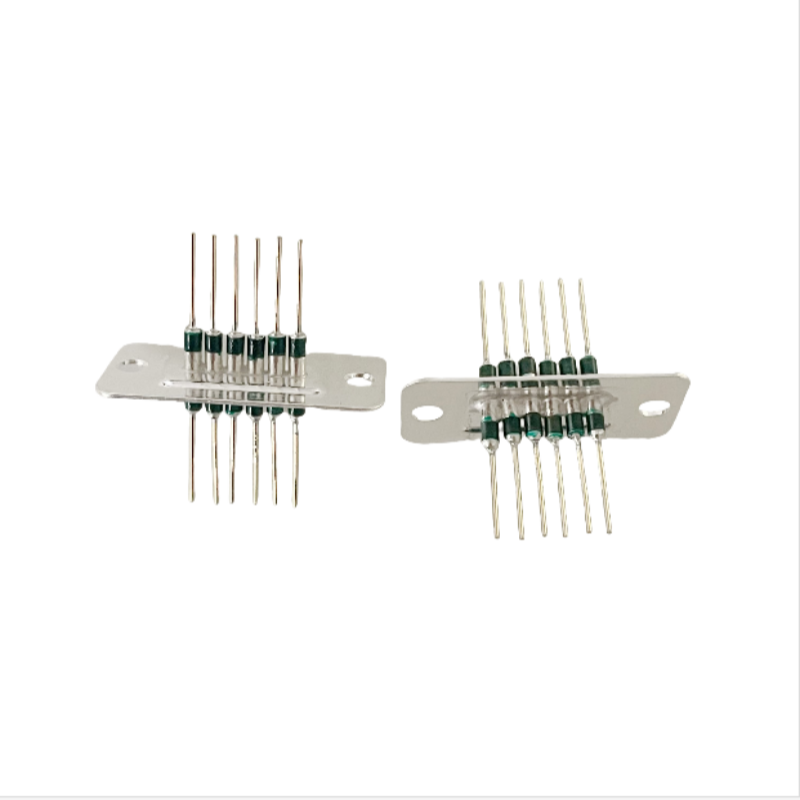 Filtered Array
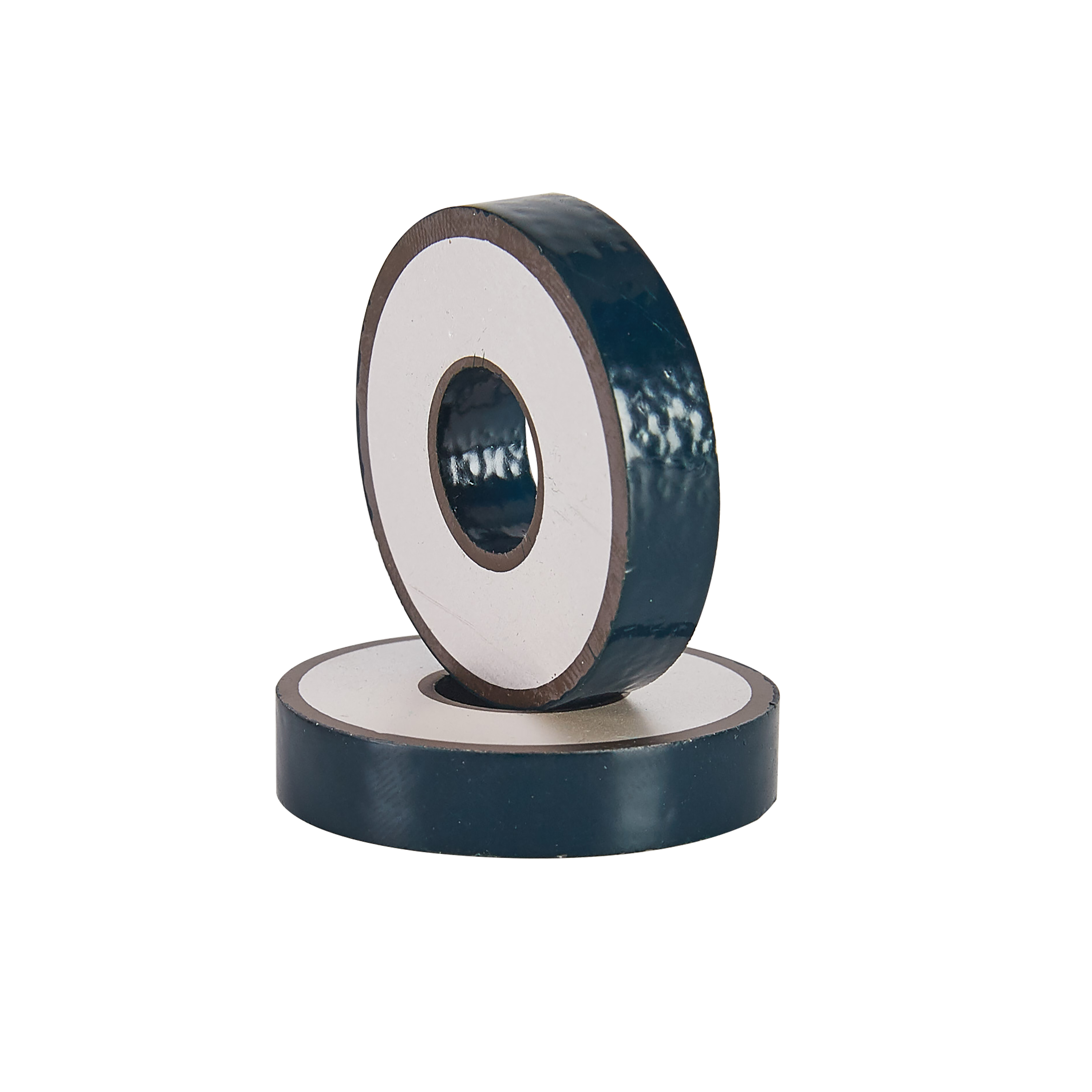 Discoidal Capacitor
 Screw Type EMI Filter
 Solder Mount Feed-thru Capacitor
 Tubular Capacitor
 Audio Capacitor
 Q4033 Series
 Filtered Array
 Discoidal Capacitor

Low-Cost, High-Efficiency Interference Resistance—EMI Feedthrough Capacitors Empowering Smart Living118
Issuing time:2025-12-18 09:02 In smart home and personal electronics consumer scenarios, devices such as routers/gateways, smart TVs, microwaves, wireless charges, and laptops/smartphones (RF ports) have become essential to daily life. These devices commonly face electromagnetic interference issues such as power ripple and Wi-Fi signal disruptions, while also imposing stringent requirements on component cost and size—they must ensure stable operation while keeping production costs low to meet consumer market pricing demands. Leveraging its core advantages of "high-cost-effectiveness epoxy sealing+miniaturized interference-resistant design," LCA® EMI feedthrough capacitors precisely meet the needs of consumer electronics, serving as key components in ensuring electromagnetic compatibility. I. Core Requirements of Consumer Electronics: Triple Rigid Demands for Low Cost, Miniaturization, and High Interference Resistance The market-driven nature and usage scenarios of consumer electronics dictate that requirements for EMI feedthrough capacitors focus on "practically" and "economy," centering on three dimensions: "high-efficiency interference resistance," "cost controllability," and "form factor miniaturization": 1. High-Efficiency Interference Resistance Requirements: Dual-directional protection to ensure user experience -Conducted interference suppression: Filters mid-to-low-frequency power ripple to prevent device crashes, lag, or performance fluctuations. -Radiated interference shielding: Blocks high-frequency radiated interference to prevent mutual interference between devices. 2. Cost and Form Factor Requirements: Adaptation to mass production and usage scenarios -Low-cost adaptation: Support mass production, controls overall material costs, and aligns with the cost-effectiveness positioning of consumer electronics. -Miniaturized design: Compact size, suitable for high-density layouts in devices such as routers and smartphones. -Environmental adaptation: Provides basic dust and moisture resistance for everyday environments like homes and offices. II. Precision Selection Guidelines: Technical Design Tailored to Consumer Electronics To meet the core needs of consumer electronics, the selection of LCA® EMI feedthrough capacitors must precisely align with three core dimension: "process, form factor, and parameters": 1. Sealing Precess—Epoxy Sealing: Cost-effective, efficient for mass production, meets the large-scale manufacturing needs of consumer electronics, and ensures stable performance in typical environments. 2. Packaging Form—Miniaturized Design: Occupies minimal space, suitable for high-density layouts. 3. Core Parameters—Medium-to-Low Capacitance Values: Capacitance ranges from pF to nF, suitable for filtering mid-to-low-frequency conducted interference and high-frequency radiated interference. III. Summary: The "High-Cost-Effectiveness Interference-Resistance Guardian" of Consumer Electronics The core value of EMI feedthrough capacitors in consumer electronics lies in their design of "low-cost epoxy sealing+miniaturized high-efficiency interference resistance," which perfectly aligns with the consumer electronics emphasis on "cost-effectiveness first, stability and reliability"—ensuring device stability through efficient filtering and shielding to prevent electromagnetic interference from affecting user experience, while meeting mass production and layout demands with low-cost and compact features, all while complying with EMC standards. As consumer electronics evolve toward smarter and higher-density designs. LCA® EMI feedthrough capacitors will continue to optimized toward "small size, lower cost, and broader frequency interference resistance,"empowering devices such as routers, smart TVs, and wireless charges, and serving as the "invisible safeguard" that enhances the user experience of consumer electronics. |
